Find out what affects your car trade-in value, including kilometres, condition, service history, demand, tyres, accident history, and presentation.
TRADE-IN April 9, 20253 min read
Quick Answer
Your trade-in value is affected by the car’s age, kilometres, condition, service history, accident history, demand, make, model, registration, tyres, and how easily the dealer can resell it.
Your car’s trade-in value is a bit like a school report. Kilometres, service history, tyres, scratches, smells, warning lights, and overall condition all have something to say.
The good news is that you do not need to guess. Once you understand what dealers look for, the trade-in process feels a lot less mysterious.
Kilometres and age
Kilometres matter because they help estimate wear and future maintenance. Age matters because newer cars often have newer safety features, technology, and stronger buyer demand.
But kilometres are not the whole story. A higher-kilometre car with excellent service records may be more appealing than a low-kilometre car with a messy history.
Condition
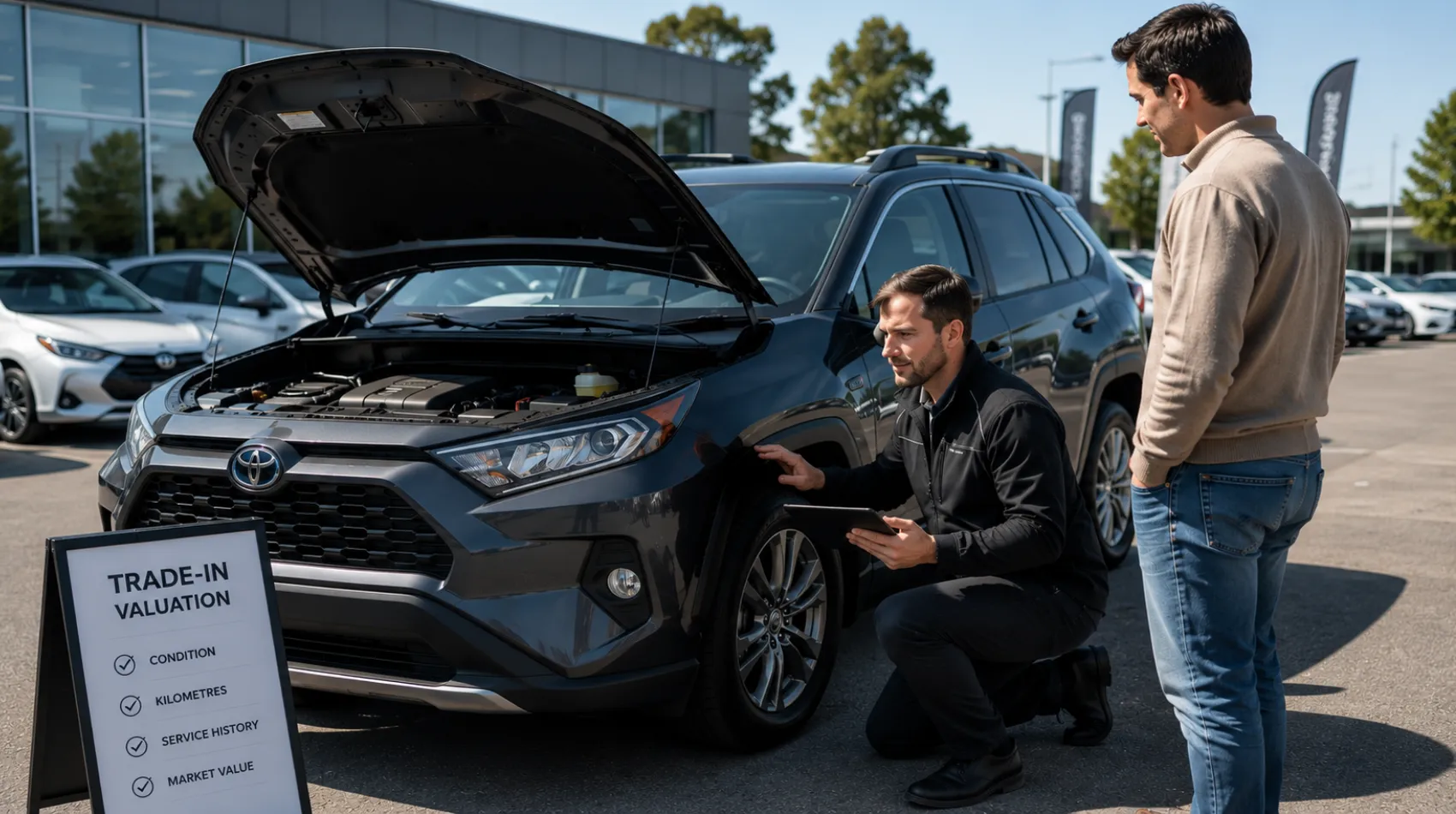
Dealers look at exterior paint, dents, scratches, tyres, wheels, glass, lights, interior trim, seats, carpets, odours, warning lights, and mechanical feel. A clean, cared-for car is easier to resell.
You do not need to make the car look brand new, but cleaning it before valuation helps. Remove personal items, give it a wash, vacuum the interior, and make sure both keys are ready if you have them.
Service history
A stamped logbook or clear invoice history can improve buyer confidence. It shows the car has been maintained properly and helps explain what work has already been done.
If you have receipts for tyres, brakes, battery, major service, timing belt, or other recent work, bring them along.
Market demand
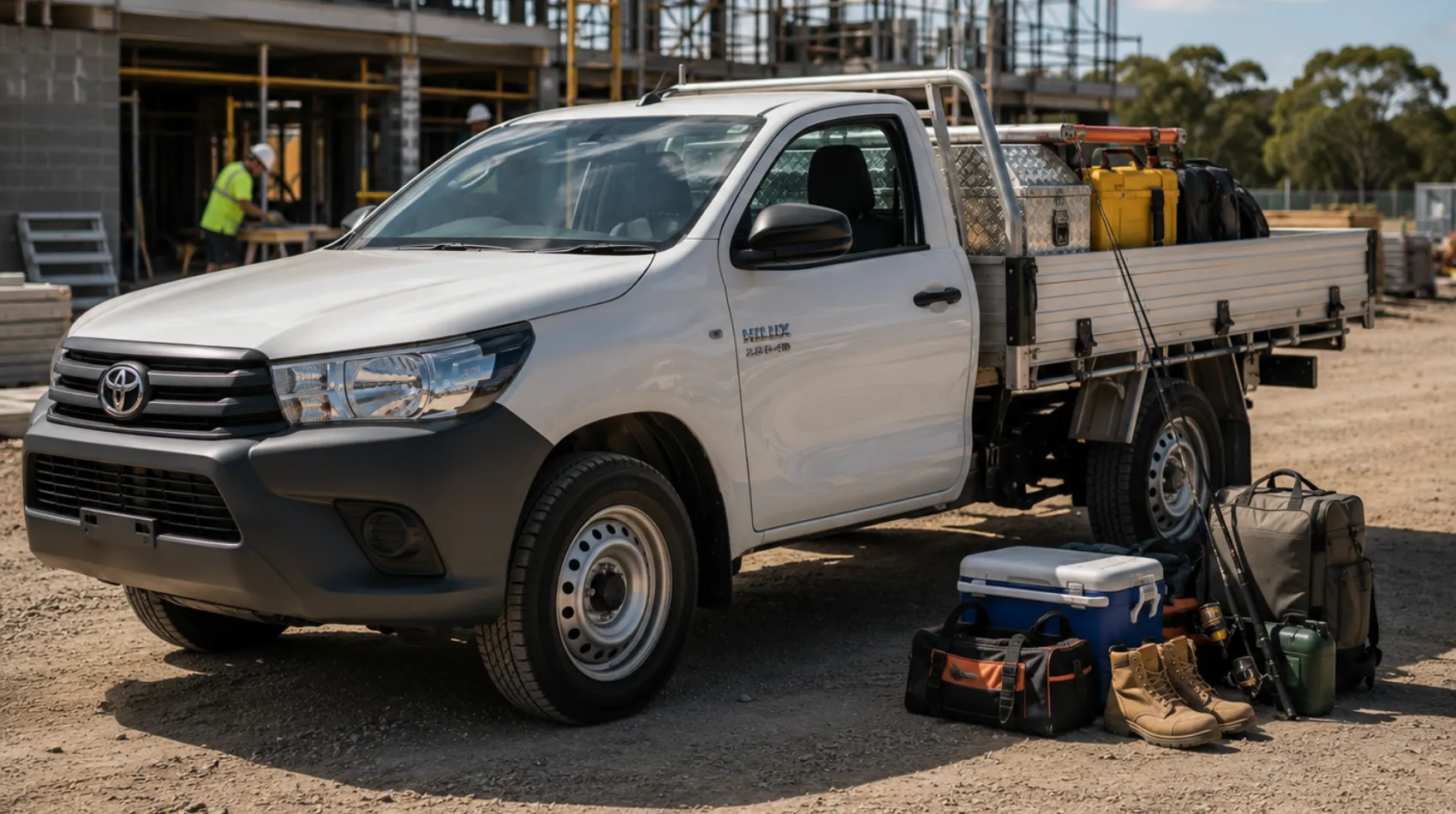
Some cars are easier to sell than others. Popular SUVs, utes, small hatchbacks, and trusted brands often attract strong demand. Unusual colours, niche models, heavy modifications, or thirsty engines may narrow the buyer pool.
Trade-in value is not only about what the car means to you. It is also about what the market is currently willing to pay.
Accident and finance history
A car with accident history, written-off status, finance owing, or inconsistent records may be worth less. Be upfront. Surprises during checks can slow things down and reduce trust.
How to improve your trade-in result
Clean the car, gather service records, bring both keys, fix small cheap issues if sensible, and be honest about known faults. Do not spend thousands trying to increase value by hundreds. Ask first.
JMG Tip
Get your trade-in valued before choosing the next car. It gives you a clearer budget and makes the shopping process much easier.
FAQs
Not always, but they usually reduce value compared with a similar lower-kilometre car.
A basic clean helps. A costly detail may not always pay for itself.
Yes. Good records can improve confidence and support value
Often yes, but the payout figure needs to be handled as part of the transaction.